Ingredients:
480 ml or two cups whole milk
Divide the 1/2 cup (100 g) of granulated sugar.
one vanilla bean, or one tsp of extract
Five huge yolks from eggs
30 g or 1/4 cup cornstarch
Two tablespoons (30 grams) of finely chopped unsalted butter
The Key to the Ideal Pastry Cream
The New York Times Recipes: The Key to Perfect Pastry Cream
Instructions:
Get the milk mixture ready.
Half the granulated sugar (1/4 cup) and the whole milk should be combined in a medium pot.
the vanilla bean’s seeds. Add vanilla extract last, if using.
After setting the pot on medium heat, carefully simmer the mixture. Stir from time to time to
make sure the sugar gets dissolved.
Get the egg mixture ready.
Whisk together the egg yolks, 1/4 cup of the remaining granulated sugar, and the
cornstarch until the blend is creamy and light in hue. It will need two to three minutes.
Gently Warm the Eggs:
When the milk mixture is heated, gradually add around one-third of it to the egg mixture while continuously whisking to
soften the eggs. This stage gradually raises the temperature of the eggs so they don’t curdle.
Return the tempered egg mixture and the remaining hot milk to the pot, and continue to
Always stir the mixture.
Heat the pastry cream.
Transfer the mixture back to the saucepan over medium heat, whisking continuously, until it thickens and
begins to bubble. It will need two to three minutes. After it begins to boil, cook for one or two more minutes.
minutes to ensure that the cornstarch is heated through.
Take the pot off of the burner and whisk in the butter right away, along with any vanilla extract you choose to use.
neglected to use a vanilla bean.
Stress and Calm:
To get rid of any lumps or fragments, strain the pastry cream into a clean basin using a fine-mesh sieve.
cooked ovum.
To stop a skin from forming on the pastry cream, press a piece of plastic wrap immediately onto the
developing.
Let the pastry cream cool to room temperature before chilling it in the refrigerator until it is very cold, at least
two hours.
Success Advice
Use Fresh Ingredients: There’s a distinct difference in the flavor and texture when using fresh milk, eggs, and butter.
the consistency of your pastry cream.
Whisk continuously to guarantee a smooth texture and avoid the formation of lumps in the cream.
To get a smooth and silky texture without any cooked egg fragments, strain the cream.
Cool Correctly: Applying plastic wrap directly to the surface while cooling inhibits the formation of a skin, which
might destroy your cream’s texture.
Changes
Add 4 ounces (113 g) of chopped dark chocolate to the boiling pastry cream to make chocolate pastry cream.
upon its removal from the heat. Beat in the chocolate until melted and well combined.
Two tablespoons of instant coffee granules should be dissolved in the heated milk mixture before making coffee pastry cream.
adjusting the egg temperature.
Use Suggestions
Fill Éclairs and Cream Puffs: For a traditional dessert, pipe the cold pastry cream into éclairs or cream puffs.
French dessert.
Layer in Cakes: Add a rich, creamy filling in between cake layers.
Tarts: For a visually striking dessert, fill pre-baked tart shells with pastry cream and top with fresh fruits.
In summary
A versatile and necessary ingredient in many desserts is pastry cream. Gaining proficiency with this recipe will
improve your baking abilities and let you make a variety of delicious delicacies. Savor the creamy, rich flavor.
texture and the delicious taste that your pastries will get from the ideal pastry cream!
Enjoy!

The Key to the Ideal Pastry Cream
Pastry cream, also known as crème pâtissière, is a classic, versatile custard used in a variety of French pastries and desserts. Whether filling a delicate éclair, serving as the base for a fruit tart, or layering in cakes, pastry cream is the heart of many beloved sweet treats. However, achieving the perfect pastry cream requires a precise balance of ingredients, technique, and timing. The key to the ideal pastry cream lies in understanding how each element works together to create a smooth, rich, and stable custard that holds its shape and has a silky texture. In this article, we will explore the essential steps, tips, and tricks to make the perfect pastry cream every time.
What Is Pastry Cream?
Pastry cream is a thick, creamy custard made with milk, eggs, sugar, and cornstarch. It is cooked over a stovetop to thicken, and then it is chilled before use. The cream is typically flavored with vanilla (the most common flavor), though other flavors, such as chocolate, coffee, or citrus, can be incorporated. The result is a custard that is smooth, creamy, and just the right amount of sweetness, ideal for pastry fillings or as a stand-alone dessert component.
The Ideal Texture of Pastry Cream
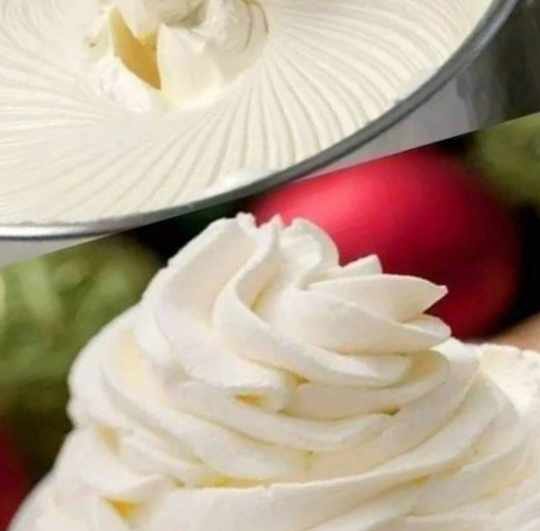
A great pastry cream should be thick enough to hold its shape when piped or spread but still smooth and silky, with no trace of granularity or lumps. It should be stable enough to withstand the rigors of pastry making, but not so thick that it becomes difficult to work with. The ideal pastry cream should be able to:
- Hold its shape: It should be thick enough that it doesn’t run or become too liquid when used as a filling.
- Be smooth and silky: A smooth custard without lumps is crucial. A lump-free texture is essential for achieving the right mouthfeel.
- Have a rich, creamy flavor: The balance of milk and egg yolks gives the cream a luxurious, rich taste.
Key Ingredients and Their Role in Pastry Cream
-
Milk: The base of the custard. Whole milk is typically used for its creaminess, but in some cases, half-and-half or even heavy cream can be substituted for a richer texture. The milk provides the majority of the liquid for the custard and helps dissolve the sugar and cornstarch.
-
Egg Yolks: The egg yolks are the primary thickening agent in the pastry cream. They provide richness, flavor, and help the custard form its velvety texture. The proteins in the egg yolks thicken the custard as they cook, and they contribute to the creamy mouthfeel.
-
Sugar: Sugar is essential for sweetness, but it also helps stabilize the egg proteins and keeps the custard from curdling. It plays a role in the consistency and texture of the final product.
-
Cornstarch: Cornstarch is used to thicken the pastry cream quickly. It helps the custard set properly without the need for long cooking times. It also prevents the cream from curdling and gives it structure.
-
Vanilla: Vanilla (either extract or a vanilla bean) provides the signature flavor of most pastry creams. For the most natural and aromatic flavor, a vanilla bean is the best choice. The seeds from the bean are scraped into the cream mixture, adding a beautiful fragrance and depth of flavor.
-
Butter: Once the custard has been thickened, cold butter is added to enhance the richness and texture of the pastry cream. It adds smoothness, shine, and an extra level of creaminess that elevates the flavor.
Step-by-Step Guide to Making the Perfect Pastry Cream
1. Whisk the Egg Yolks with Sugar and Cornstarch
The first step in making pastry cream is to combine egg yolks, sugar, and cornstarch in a bowl. Use a whisk to beat them together until the mixture becomes smooth, pale, and slightly thickened. This step is essential because the cornstarch will be evenly dispersed throughout the yolks, and the sugar will begin to dissolve.
Whisking these ingredients helps create a smooth base for the custard, preventing clumps from forming when the milk is added.
2. Heat the Milk
In a separate saucepan, heat the milk over medium heat until it begins to simmer. This is a crucial step because hot milk helps the egg mixture thicken faster and more evenly. You do not want the milk to boil—just warm enough to create steam and to help temper the egg mixture.
You can infuse the milk with flavors like vanilla, cinnamon, or citrus zest at this stage. Simply add the flavoring to the milk while it heats and remove it just before you add the milk to the egg mixture.
3. Temper the Eggs
To avoid scrambling the eggs, the next step is tempering the egg mixture. To do this, slowly pour a small amount of hot milk into the egg yolk mixture while constantly whisking. This gently raises the temperature of the eggs, preventing them from cooking too quickly when added to the rest of the hot milk.
Once the egg mixture is tempered, slowly pour it back into the saucepan with the remaining milk, stirring continuously. This step ensures that the egg yolks are gradually cooked and thickened without curdling.
4. Cook the Custard
Return the saucepan to the heat and cook the custard mixture over medium heat. Whisk constantly to prevent the eggs from curdling. As the custard cooks, it will thicken rapidly. Be patient and continue to cook and stir the custard for about 2-3 minutes, ensuring that it reaches a thick, pudding-like consistency.
It’s important to use a heavy-bottomed saucepan to prevent hot spots that could cause the custard to burn. If you have a thermometer, the custard should reach around 170°F (77°C).
5. Strain the Custard
Once the custard has thickened to the desired consistency, remove it from the heat. For an extra-smooth texture, strain the custard through a fine-mesh sieve into a clean bowl. This step will remove any potential bits of cooked egg or clumps, resulting in a silky smooth custard.
6. Add Butter
Next, add cold butter to the hot custard. Whisk the butter in until it is fully incorporated. The butter adds a luxurious richness and helps smooth out the texture of the custard. It also makes the pastry cream more stable, allowing it to hold its shape in pastries without becoming too runny.
7. Cool the Custard
Allow the pastry cream to cool at room temperature for about 10-15 minutes. Once it has cooled slightly, cover the bowl with plastic wrap pressed directly onto the surface of the cream to prevent a skin from forming. Place it in the refrigerator to chill for at least 2 hours or until it is completely cold.
Troubleshooting Common Pastry Cream Problems
-
Curdled Pastry Cream: If your custard curdles or becomes lumpy, it could be due to overheating the eggs or adding the hot milk too quickly. Always make sure to temper the eggs carefully and cook the custard gently. If this happens, you can try to blend the mixture in a blender to smooth it out.
-
Runny Pastry Cream: If your pastry cream doesn’t thicken properly, it might be due to undercooking or not using enough cornstarch. Ensure that the custard reaches the correct thickness and the cornstarch is fully dissolved in the egg mixture before cooking.
-
Lumpy Texture: If you see lumps in your custard, it could be due to the cornstarch not being fully dissolved. Straining the custard at the end can help eliminate any lumps and ensure smooth results.
Tips for the Perfect Pastry Cream
- Use Fresh Ingredients: Fresh eggs, high-quality milk, and butter are essential for achieving a rich and flavorful pastry cream.
- Don’t Skip the Straining Step: Straining the custard ensures a silky, smooth consistency. It’s a small but important step to ensure the perfect texture.
- Make it Ahead: Pastry cream can be made a day or two ahead of time, which makes it ideal for pastry preparation. Be sure to store it in an airtight container in the fridge.
- Flavor Variations: To give your pastry cream a unique twist, consider adding flavors like chocolate, coffee, orange zest, or almond extract in place of vanilla.
Conclusion
The ideal pastry cream is one that is smooth, rich, and velvety—perfect for any pastry, tart, or dessert that requires a creamy filling. By understanding the key steps in the process and following the right techniques, you can make perfect pastry cream every time. The ideal texture, flavor, and consistency will elevate your baking and give you a delicious foundation for a wide variety of pastries. The key lies in patience, attention to detail, and mastering the basic steps that make this classic custard come to life.