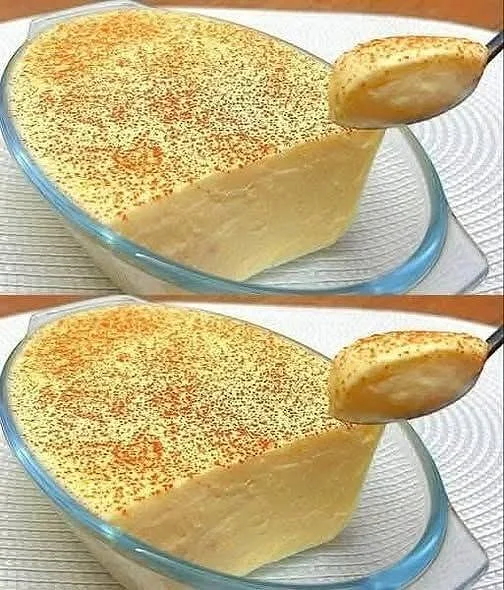
Golden Turmeric Mediterranean Custard is a smooth, spoonable dessert that combines the gentle richness of plant-based milk with the ancient healing spices of the Mediterranean and Middle Eastern regions. This custard is not only comforting and elegant but also deeply nourishing, anti-inflammatory, and naturally sweetened.
Unlike traditional custards that rely on eggs and dairy, this version uses cornstarch as a thickener, making it vegan, dairy-free, gluten-free, and suitable for a wide range of dietary preferences. The vibrant golden color comes from turmeric, a spice revered for centuries in Mediterranean, Indian, and Ayurvedic traditions for its powerful health benefits.
This custard is perfect served chilled on warm days, lightly warm during cooler months, or as a refined dessert following a Mediterranean-style meal. Its flavor is subtle, aromatic, and soothing rather than overpowering—balanced by vanilla, ginger, and a whisper of black pepper to enhance turmeric absorption.
Why This Custard Is Special
Mediterranean desserts are often simple, ingredient-driven, and lightly sweetened. Rather than heavy sugars or fats, they focus on natural sweetness, spices, nuts, and plant-based ingredients. This custard follows that philosophy closely.
Key Characteristics:
-
Creamy without dairy
-
Naturally sweetened
-
Anti-inflammatory
-
Easy to digest
-
Elegant but simple
-
Minimal ingredients
-
No baking required
This dessert is ideal for:
-
Evening relaxation
-
Post-meal digestion
-
Light fasting days
-
Healing or anti-inflammatory diets
-
Guests with dietary restrictions
Ingredients (Serves 4)
Base Custard
-
2 cups almond milk
(or coconut milk for a richer texture) -
2 tablespoons cornstarch
-
1 tablespoon raw honey or maple syrup
(adjust to taste) -
½ teaspoon turmeric powder
-
¼ teaspoon ginger powder
-
1 pinch black pepper
(essential for turmeric absorption) -
½ teaspoon vanilla extract
-
1 tiny pinch of sea salt (optional, but recommended)
Topping (Optional but Traditional)
-
Ground cinnamon
-
Extra turmeric
-
Chopped pistachios or almonds
-
Drizzle of honey
-
Orange zest
-
Crushed sesame seeds
Understanding the Ingredients
Turmeric
Turmeric is the star of this custard. It contains curcumin, a compound known for its anti-inflammatory, antioxidant, and immune-supporting properties. In Mediterranean cooking, turmeric is often used subtly, blended into sauces, grains, and desserts rather than dominating them.
Black Pepper
Black pepper increases curcumin absorption by up to 2,000%. Without it, turmeric’s benefits are significantly reduced. Only a pinch is needed—just enough to activate the turmeric without altering the flavor.
Almond Milk vs Coconut Milk
-
Almond milk produces a lighter, more delicate custard.
-
Coconut milk creates a richer, more indulgent texture with a tropical undertone.
Choose based on preference or season.
Cornstarch
Cornstarch replaces eggs in this recipe. When heated gently, it thickens the custard into a smooth, pudding-like consistency.
Step-by-Step Instructions
Step 1: Prepare the Slurry
In a small bowl, whisk together:
-
¼ cup almond milk (taken from the total amount)
-
2 tablespoons cornstarch
Whisk until completely smooth with no lumps. Set aside.
This step is crucial. Adding cornstarch directly to hot liquid will cause clumping.
Step 2: Heat the Milk
In a medium saucepan over medium-low heat, add:
-
Remaining almond milk
-
Turmeric powder
-
Ginger powder
-
Black pepper
-
Pinch of salt
Whisk gently and allow the mixture to warm slowly. Do not boil.
The goal is to infuse the spices into the milk without scorching.
Step 3: Sweeten and Flavor
Once the milk is warm (not hot), add:
-
Honey or maple syrup
-
Vanilla extract
Stir continuously to distribute the sweetness evenly.
Taste at this stage and adjust sweetness if needed.
Step 4: Thicken the Custard
Reduce heat to low. Slowly pour in the cornstarch slurry while whisking constantly.
Continue stirring for 5–7 minutes. The mixture will gradually thicken into a smooth custard. Do not stop stirring—this prevents lumps and sticking.
You’ll know it’s ready when:
-
It coats the back of a spoon
-
A line drawn through it holds its shape
-
The surface looks glossy and smooth
Step 5: Final Adjustment
Remove from heat. Taste again and adjust:
-
Sweetness
-
Vanilla
-
Spices
If the turmeric flavor is too strong, a splash of almond milk can soften it.
Chilling and Setting
Pour the custard into:
-
Individual glass bowls
-
A single glass dish (as shown in the image)
-
Ramekins or jars
Let cool slightly at room temperature, then refrigerate for at least 2 hours.
The custard will firm up as it chills.
Serving Suggestions
Before serving, sprinkle lightly with:
-
Cinnamon
-
Turmeric
-
Crushed nuts
-
Citrus zest
Serve:
-
Chilled for a refreshing dessert
-
Slightly warm for comfort food
-
With fresh figs, berries, or dates
This custard pairs beautifully with:
-
Mint tea
-
Chamomile tea
-
Light espresso
-
Herbal infusions
Texture Tips & Troubleshooting
-
Too thick? Whisk in warm almond milk, one tablespoon at a time.
-
Too thin? Return to low heat and cook another 1–2 minutes.
-
Lumpy? Blend briefly with an immersion blender.
-
Grainy texture? Heat was too high—next time cook more gently.
Flavor Variations
Mediterranean Orange Custard
Add:
-
½ teaspoon orange zest
-
Replace vanilla with orange blossom water
Golden Cardamom Custard
Add:
-
⅛ teaspoon ground cardamom
-
Reduce ginger slightly
Date-Sweetened Version
Replace honey/maple syrup with:
-
2 tablespoons date paste or date syrup
Protein-Boosted Custard
Stir in:
-
1 tablespoon almond butter
-
Or 1 teaspoon tahini
Health Benefits
This custard supports:
-
Reduced inflammation
-
Digestive comfort
-
Blood sugar balance
-
Immune health
-
Joint health
It is especially beneficial when enjoyed in the evening, as turmeric and ginger promote relaxation and digestion.
Storage
-
Refrigerate up to 4 days
-
Store covered to prevent absorbing fridge odors
-
Do not freeze (texture will change)
Final Thoughts
Golden Turmeric Mediterranean Custard is more than a dessert—it is a ritual of nourishment. It reflects the Mediterranean belief that food should heal, comfort, and bring joy without excess.