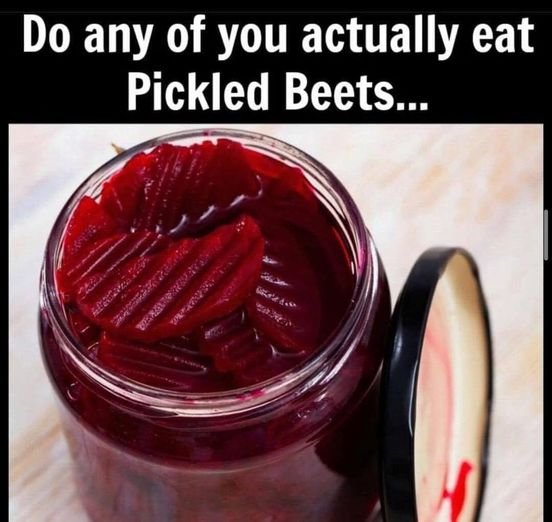
Healthy Pickled Beets Recipe
Pickled beets are a delicious and nutritious way to enjoy beets, transforming their earthy flavor into a tangy and vibrant side dish or snack. Not only are pickled beets full of flavor, but they’re also packed with health benefits. Beets are rich in nutrients like fiber, vitamins, and minerals, including folate, potassium, and antioxidants. When pickled, they retain all these health benefits while gaining an extra layer of flavor from the tangy brine.
Making your own Healthy Pickled Beets at home is surprisingly easy and allows you to control the ingredients, avoiding excess sugar and preservatives found in store-bought versions. This recipe is perfect for anyone looking to add more nutritious, flavorful options to their diet. Whether you want to use them in salads, as a side dish, or enjoy them straight from the jar, these homemade pickled beets are sure to satisfy your cravings.
Ingredients:
To make these healthy pickled beets, you’ll need the following ingredients:
4 medium-sized beets (about 1 pound)
1 cup apple cider vinegar
1/2 cup water
1/4 cup honey (or a sugar substitute if you want a low-sugar version)
2 cloves garlic, peeled and smashed
1 tablespoon mustard seeds
1 tablespoon peppercorns
1 teaspoon salt
1/2 teaspoon ground ginger
1/2 teaspoon ground allspice
1/2 teaspoon crushed red pepper flakes (optional, for a spicy kick)
1 bay leaf
1 clean, airtight jar (quart-sized or smaller)
These ingredients create a tangy, slightly sweet brine with warm spices that pair beautifully with the beets. The apple cider vinegar provides acidity, the honey adds a touch of sweetness, and the spices bring out the complex flavors of the beets.
Instructions for Healthy Pickled Beets
Step 1: Prepare the Beets
Clean the Beets: Start by scrubbing the beets under cold water to remove any dirt. Leave the skins on, as the peel helps retain the beet’s nutrients. Trim off the beet greens, leaving about 1 inch of the stems intact.
Cook the Beets: There are two main ways to cook beets for pickling: boiling or roasting. Both methods will work, but boiling is quicker and easier.
Boiling Method: Place the cleaned beets in a large pot and cover them with water. Bring the water to a boil, then reduce the heat and simmer for about 30-40 minutes, or until the beets are tender when pierced with a fork. Beets can vary in size, so check for doneness by poking the thickest part with a fork.
Roasting Method: If you prefer to roast your beets, preheat your oven to 400°F (200°C). Wrap the beets individually in aluminum foil and roast for about 45-60 minutes, depending on the size of the beets. Roasting will give the beets a more concentrated flavor.
Cool and Peel: Once the beets are cooked, let them cool slightly. The skins should peel off easily when you rub them with a paper towel or your hands. The skin can stain your fingers, so you might want to wear gloves to avoid the red stain.
Step 2: Slice the Beets
Once peeled, slice the beets into thin rounds or wedges, depending on your preference. Thin slices will pickle more quickly, while wedges will provide a chunkier texture.
Step 3: Prepare the Pickling Brine
Combine the Brine Ingredients: In a small saucepan, combine the apple cider vinegar, water, honey, garlic, mustard seeds, peppercorns, salt, ginger, allspice, and bay leaf. Add the optional crushed red pepper flakes if you want to add some heat to your pickles.
Heat the Brine: Place the saucepan over medium heat and bring the brine to a simmer. Stir occasionally until the honey (or sugar substitute) has dissolved completely. Allow the brine to simmer for about 5-7 minutes to allow the flavors to infuse. Once the brine is fragrant and heated through, remove the pan from the heat and set it aside to cool for a few minutes.
Step 4: Pack the Beets into Jars
Prepare the Jar: Sterilize your jar by placing it in a pot of boiling water for about 10 minutes or running it through the dishwasher. This ensures that the jar is free of any bacteria or residue that could affect the pickling process.
Fill the Jar: Once the jar is sterilized and the brine has cooled slightly, place the sliced beets into the jar. Pack them in tightly, but don’t smash them. Leave some space at the top of the jar to allow the brine to cover the beets completely.
Step 5: Pour the Brine Over the Beets
Cover with Brine: Pour the cooled brine over the beets, making sure the beets are fully submerged in the liquid. You may need to gently press down on the beets to remove air bubbles and ensure the brine covers all the beets.
Seal the Jar: Once the beets are covered in brine, seal the jar tightly with a lid.
Step 6: Let the Beets Pickle
Refrigerate: Place the jar in the refrigerator and let the beets pickle for at least 24 hours before eating. For best results, allow the beets to sit for 3-5 days so the flavors can fully develop. The longer they sit, the more flavorful and tangy they will become.
Enjoy: Once the beets have pickled to your liking, they’re ready to enjoy! These pickled beets will last for up to 2-3 weeks in the refrigerator. If you want to keep them longer, you can process the jars in a water bath canning system to preserve them for several months.
Why These Healthy Pickled Beets Are So Good for You
Pickled beets are not just delicious; they also offer a number of health benefits. Here’s why you should consider adding them to your diet:
Rich in Nutrients: Beets are an excellent source of fiber, folate, and vitamin C. They are also rich in antioxidants, particularly betalains, which have anti-inflammatory properties.
Improves Digestion: The fiber in beets helps promote regular bowel movements and supports healthy digestion. The probiotics formed during the pickling process can further aid digestion and support a healthy gut.
Supports Heart Health: Beets are known to help lower blood pressure due to their high nitrate content. Nitrates are compounds that relax and dilate blood vessels, improving blood flow and reducing the risk of heart disease.
Anti-Inflammatory Benefits: The antioxidants in beets can help reduce inflammation in the body, which is important for overall health and disease prevention.
Detoxifying: Beets are believed to support the liver’s detoxification processes, helping the body eliminate toxins more effectively.
Ways to Enjoy Healthy Pickled Beets
Pickled beets can be enjoyed in a variety of ways. Here are some ideas:
Salads: Add pickled beets to your favorite green salads. They pair wonderfully with goat cheese, walnuts, and leafy greens like spinach or arugula.
Sandwiches and Wraps: Use pickled beets as a topping for sandwiches or wraps for a tangy, flavorful boost.
On Charcuterie Boards: Serve pickled beets alongside cheeses, olives, and cured meats for a delightful appetizer.
On Their Own: Simply enjoy pickled beets as a snack straight from the jar or with a side of whole-grain crackers.
Conclusion
These Healthy Pickled Beets are a fantastic way to enjoy the unique flavor and health benefits of beets. The tangy, sweet, and slightly spicy brine brings out the natural flavor of the beets, while the pickling process enhances their nutritional value. Making them at home gives you full control over the ingredients, ensuring a healthy, preservative-free snack or side dish.
Whether you’re adding them to salads, enjoying them as a snack, or serving them on a charcuterie board, these pickled beets are sure to be a hit. Give this recipe a try, and enjoy the many health benefits and vibrant flavors of homemade pickled beets!